Back


5
6
7
8
9
0
1
2
3
4
5
6
7
8
9
0
1
2
3
4
5
6
7
3
4
5
6
7
8
9
0
1
2
3
4
5
6
7
8
9
0
1
2
3
4
5
6
7
8
9
0
2
3
4
5
6
7
8
9
0
1
2
3
4
5
6
7
8
9
0
1
2
3
4
5
6
7
8
9
0
1
2
3
4
5
6
7
8
9
0
+
accredited participants
2
3
4
5
6
7
8
9
0
1
4
5
6
7
8
9
0
1
2
3
4
5
6
7
8
9
0
1
2
3
4
5
6
contributing tyre & auto brands
$
4
5
6
7
8
9
0
1
2
3
4
5
6
7
8
9
0
1
4
5
6
7
8
9
0
1
2
3
4
5
6
7
8
9
0
1
2
3
4
5
6
7
8
9
0
1
2
M+
invested in market development
5
6
7
8
9
0
1
2
3
4
5
6
7
8
9
0
1
2
3
4
5
6
7
8
5
6
7
8
9
0
1
2
3
4
5
6
7
8
9
0
1
2
3
4
5
6
7
8
9
0
1
2
3
4
5
6
7
8
9
0
+
projects funded

I’m looking to learn more about the Schemelearn more about the Schemelearn more about crumb rubberbecome accredited with the Schemeapply for research & development fundingfind research data and insightsfind best practice guidelinesfind tyre and auto brands that support the Schemefind accredited organisationsfind recycled tyre productslearn more about the tyre circular economyverify an overseas end destination (FEMV)report illegally dumped or stockpiled tyres
learn more about the Scheme
learn more about the Scheme
learn more about crumb rubber
become accredited with the Scheme
apply for research & development funding
find research data and insights
find best practice guidelines
find tyre and auto brands that support the Scheme
find accredited organisations
find recycled tyre products
learn more about the tyre circular economy
verify an overseas end destination (FEMV)
report illegally dumped or stockpiled tyres
Suggested for you

WHY WE EXIST
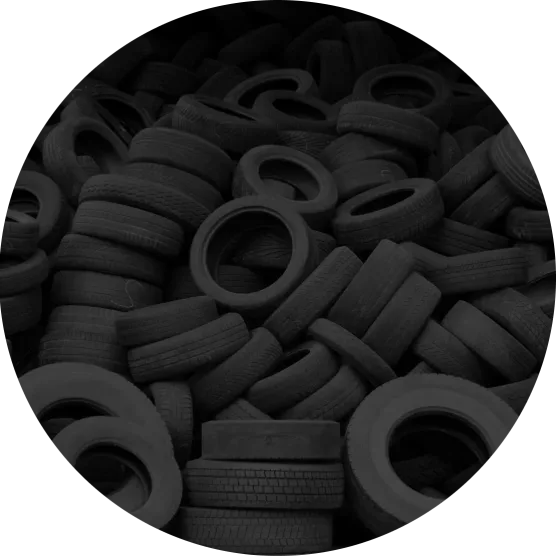
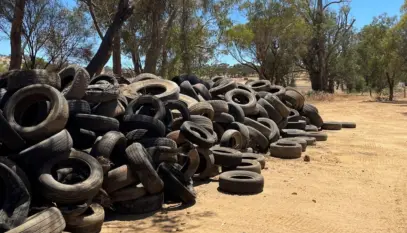
TSA was created in 2014 to drive more sustainable outcomes for Australia's used tyres. Australians generate the equivalent of 180,000 used passenger tyres daily, and recovery rates are not keeping pace. Tyres not recovered go to landfills, stockpiles, and illegal dumps or are hidden on industrial sites and even in national parks.


Tyre Circular Economy
Our goal is to create a circular economy for Australia to maximise
the value of resources in used passenger, bus, truck and off-the-road tyres.
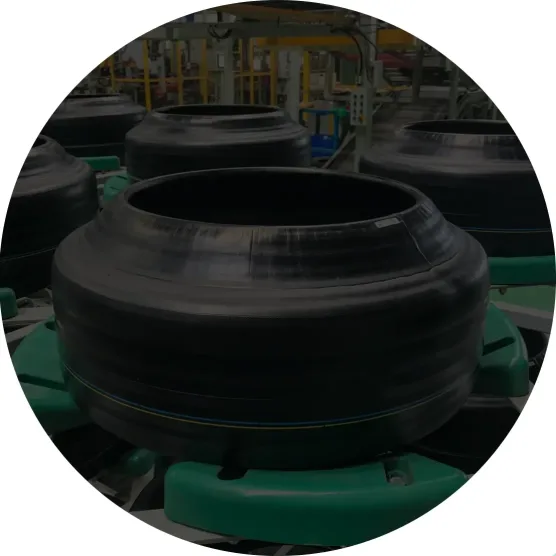
Raw Materials
Composition differs depending on use, but the core elements are steel, carbon black, natural and synthetic rubber and textile reinforcement.
Design & Production
Product performance, customer expectations, sustainability impacts, and evolving government regulations drive tyre design and composition.
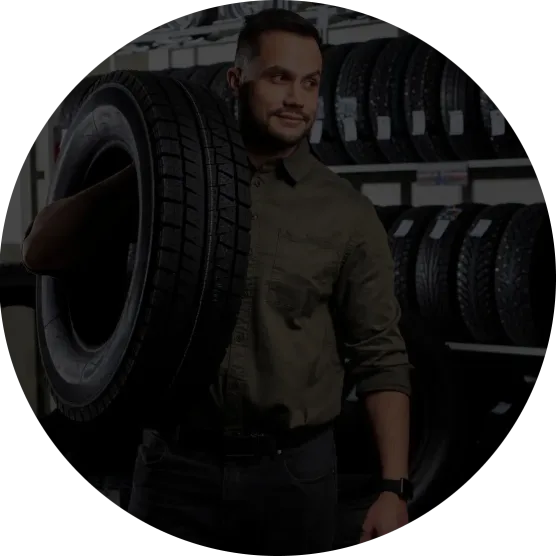
Distribution
Most of Australia’s tyres are imported from Asia and other continents, and sold through tyre retailers, car dealerships and online.
Consumption
Approximately 15% by weight of car tyres are lost due to road abrasion, but regular maintenance, correct tyre pressure, repair, and retreading can all extend the life of a tyre.
Collection
Used tyres can be collected and delivered to an accredited recycler, yet landfilling and illegal burning, exporting and dumping still take place in Australia.
Resource Recovery
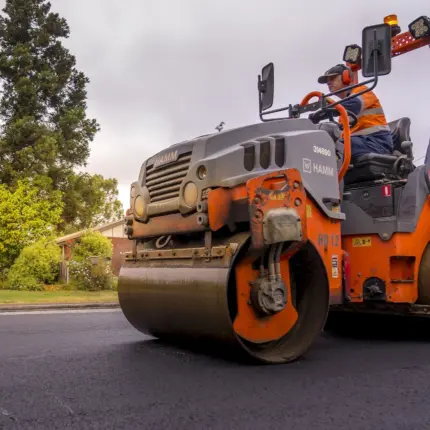
The first step in tyre recycling is breaking tyres into smaller pieces. This process produces materials such as crumb, granule, shred, fibre and steel, which can be reused to make new products and infrastructure, including roads and even new tyres.
Tyre Circular Economy
Our goal is to create a circular economy for Australia to maximise
the value of resources in used passenger, bus, truck and off-the-road tyres.
Raw Materials
Composition differs depending on use, but the core elements are steel, carbon black, natural and synthetic rubber and textile reinforcement.
Design & Production
Product performance, customer expectations, sustainability impacts, and evolving government regulations drive tyre design and composition.
Distribution
Most of Australia’s tyres are imported from Asia and other continents, and sold through tyre retailers, car dealerships and online.
Consumption
Approximately 15% by weight of car tyres are lost due to road abrasion, but regular maintenance, correct tyre pressure, repair, and retreading can all extend the life of a tyre.
Collection
Used tyres can be collected and delivered to an accredited recycler, yet landfilling and illegal burning, exporting and dumping still take place in Australia.
Resource Recovery
The first step in tyre recycling is breaking tyres into smaller pieces. This process produces materials such as crumb, granule, shred, fibre and steel, which can be reused to make new products and infrastructure, including roads and even new tyres.
HOW WE WORK
As a product steward, we work to enable and foster collaboration through three strategic programs: accreditation and compliance to establish standards and a trusted network of tyre retailers, collectors and recyclers that manage used tyres responsibly, research and market development to increase the use of tyre-derived material, and education and engagement.

WHO WE WORK WITH
We're here for everyone who has a stake in the success of Australia’s circular economy for tyres
Tyre & Auto Brands
- Tyre and vehicle manufacturers
- Tyre and vehicle importers
- Industry associations that represent tyre and auto brands
Tyre Retailers
- Tyre fitment centres
- New and used vehicle dealers
- Mechanics and service stations
- Repair and modification specialists (e.g. retreaders)
- Parts manufacturers, wholesalers and retailers
- Industry associations that represent tyre retailers
Tyre Collectors & Recyclers
- Used tyre collectors
- Used tyre recyclers and processors
- Local councils
- Automotive dismantlers and recyclers
- Transport, freight and logistics
- Industry associations that represent used tyre collectors and recyclers
Mining & Agriculture
- Users of Off-The-Road (OTR) tyres
- Related equipment manufacturers
- Maintenance and repair
- Procurement and project management
- Policy makers
- Industry associations
Tyre-Derived Material Manufacturers and Markets
- Product designers and developers
- Manufacturers, including advanced and original equipment
- Australian exporters
- Investors
- Construction and engineering
- Fuel replacement
Fleet Industry
- Fleet leasing companies
- Corporate fleet operators
- Australian Government fleet operators
- State Government fleet operators
- Local Government fleet operators
- Industry associations that represent fleet operators
Government - Federal, State, Territory & Local
- Environment protection
- Energy
- Industry
- Infrastructure
- Procurement and project management
- Regional development
Researchers
- Scientists
- Research and development professionals
- Universities
- Innovators
- Entrepreneurs
- Industry associations
ESG & Policy
- ESG professionals
- Policy makers
- Advisors
- Media
- Product stewards for other waste streams
- Centres of Excellence
Indigenous Peoples & Local Communities
- Traditional owners
- Consultative Committees
- Land Councils
- Project owners
- Environmental Defenders Office
- ESG professionals
Australian Drivers
- Passenger car, bus, truck and motorbike owners and drivers
- Automotive enthusiasts and clubs
- Community groups
- Consumer groups
- Media
Our Impact
We invest in projects that develop and demonstrate the use of tyre-derived material in products and applications, helping to reduce waste, build markets and create jobs.


News & Insights
What's happening in the circular economy for tyres


Frequently Asked Questions (FAQs)
Your questions answered
What is Tyre Stewardship Australia?
What does 'product stewardship' mean?
How does a circular economy relate to the tyre industry in Australia?
What is the Tyre Product Stewardship Scheme (TPSS)?
Who can join the Tyre Product Stewardship Scheme; and how?
What are the benefits of being TSA Accredited?
How does Tyre Stewardship Australia monitor and enforce compliance?
What happens to tyres once they are recycled?
If we're recovering 66% of used tyres generated then why do we need to do anything more or different?